Good Harvest Potato Industry’s Owned Farms: Global Standard-Certified Raw Material Bases
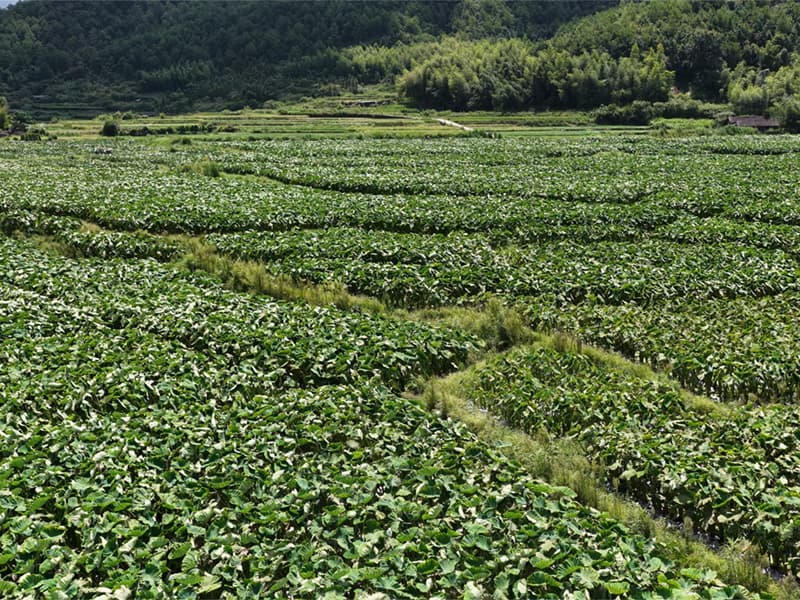
As the core raw material supply chain of Liancheng County Good Harvest Potato Industry Co., Ltd., the company’s self-operated farms are not only the "first workshop" for high-quality potato products but also a vivid practice of its commitment to "from field to table" quality control. Spread across the fertile lands of Liancheng County—an area renowned for its suitable climate, fertile soil, and abundant water resources for potato cultivation—these farms have established a comprehensive and standardized operation system, supported by international certification, laying a solid foundation for the company’s product excellence.
Scale and Layout: Building a Professional Potato Planting Base
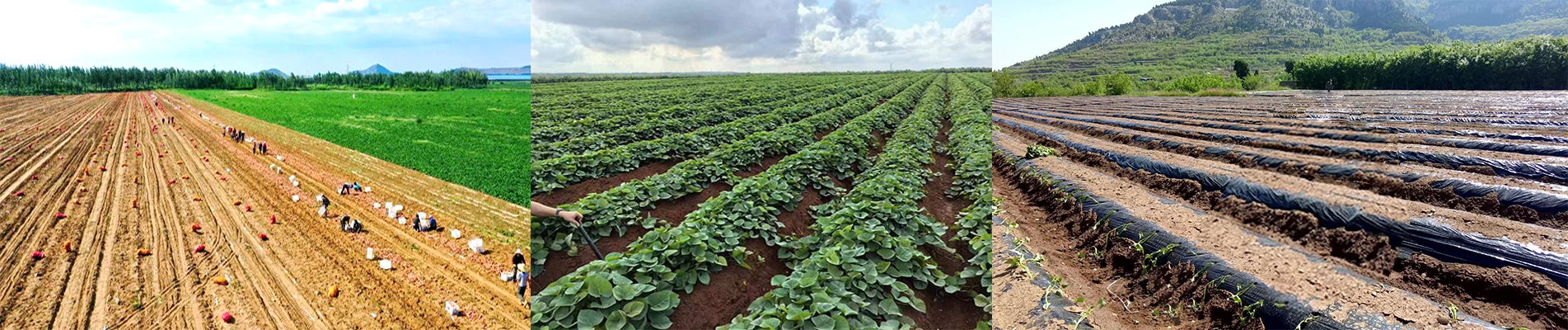
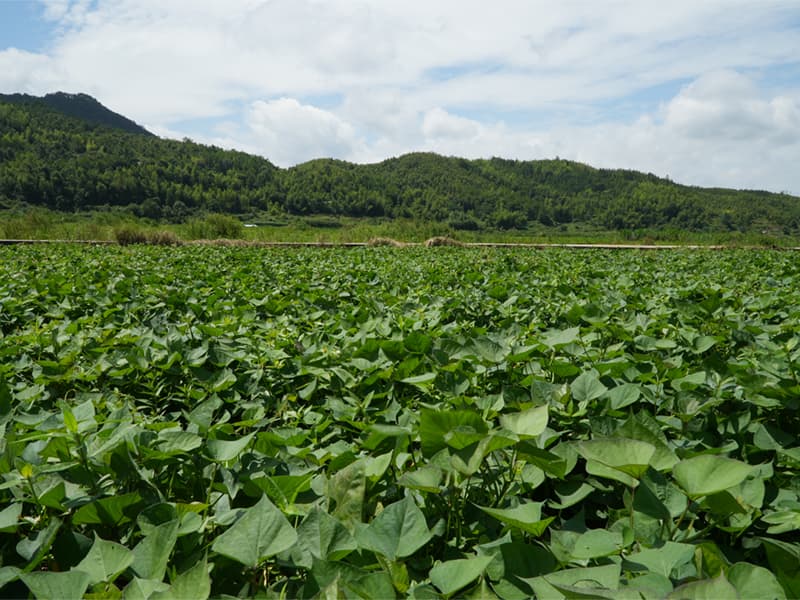
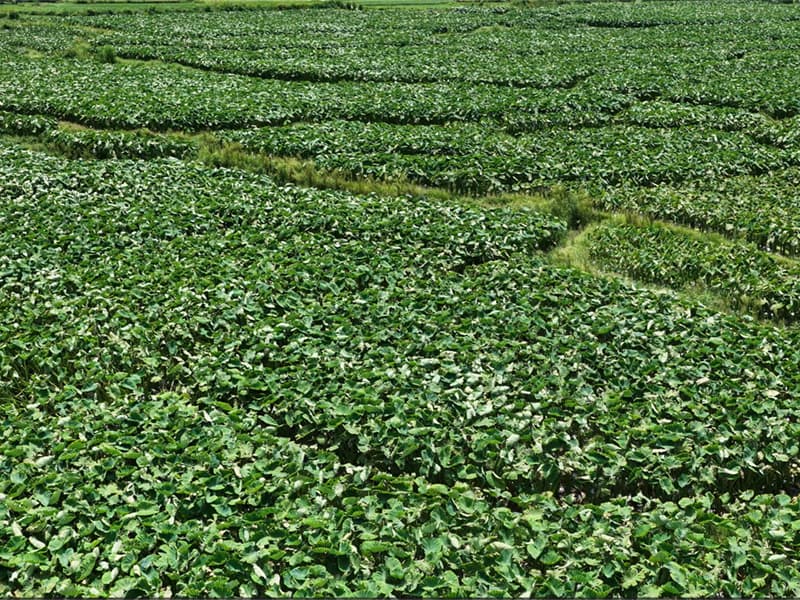
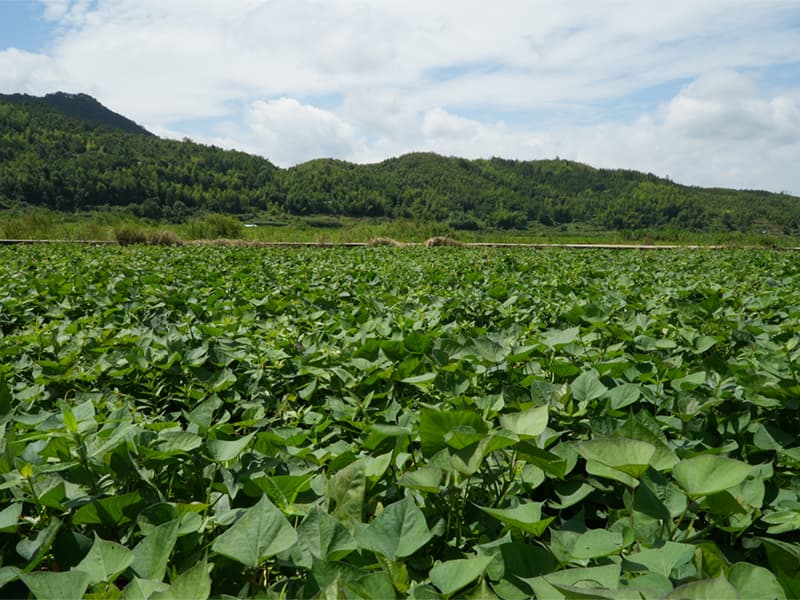
We owned farms cover a total area of more than 500 mu (approximately 33.3 hectares), with a rational layout divided into core production areas, seedling breeding areas, and experimental demonstration areas. The core production area, accounting for 80% of the total farmland, is dedicated to the cultivation of the signature "Liancheng Red Heart Sweet Potato"—a variety with high sugar content, fine texture, and rich nutritional value. To ensure the purity and quality of seedlings, the seedling breeding area adopts a closed greenhouse management model, equipped with intelligent temperature and humidity control systems, which can annually breed 2 million high-quality potato seedlings, completely meeting the planting needs of the company’s own farms and even providing high-quality seedlings for surrounding cooperative farmers.
The experimental demonstration area serves as a "technology test field" for the farm. Here, agricultural technicians carry out trials on new potato varieties, optimize planting techniques (such as drip irrigation under mulch, organic fertilizer application), and explore pest control methods that are both environmentally friendly and efficient. This area not only guarantees the continuous upgrading of the farm’s planting technology but also enables Good Harvest Potato to maintain a leading position in the selection and promotion of high-quality potato varieties.
In terms of daily management, the farm implements a "field manager responsibility system." Each plot is assigned a dedicated technician who records key data such as sowing time, fertilization amount, irrigation frequency, and pest occurrence throughout the growth cycle of potatoes. This whole-process data tracking not only ensures the traceability of each batch of raw materials but also provides a reliable basis for the continuous optimization of planting plans.
International Standard Certifications: Guiding Quality with Global Benchmarks
To align with international quality requirements and meet the diverse needs of domestic and foreign markets, Good Harvest Potato’s owned farms have successfully obtained a series of authoritative international certifications, making them a model of standardized agricultural production in the region.
First, the farms have passed Global Good Agricultural Practice (Global GAP) certification—a world-recognized standard for agricultural product safety and quality. To meet this requirement, the farm strictly controls the use of agricultural inputs: it only uses organic fertilizers that meet national standards and biological pesticides with low toxicity and high efficiency, completely avoiding the use of chemical pesticides and fertilizers that may cause residue. During the planting process, regular sampling tests are conducted on soil, water sources, and potato samples to ensure that all indicators meet Global GAP’s strict requirements. This certification not only confirms the safety and health of the farm’s potatoes but also provides a "passport" for Good Harvest Potato’s products to enter international markets such as Europe, America, and Southeast Asia.
Second, the farms have obtained Organic Certification issued by a national authoritative certification body. The organic planting process adheres to the principles of ecological balance and sustainable development: the farm recycles agricultural waste (such as potato straw) into organic fertilizer, reducing environmental pollution while improving soil fertility; it uses physical methods such as insecticidal lamps and sticky boards to control pests, ensuring that the entire planting process is free from synthetic chemicals. Organic potatoes produced under this model have higher nutritional value and market recognition, becoming a key product line for Good Harvest Potato to target high-end consumer markets.
In addition, the farms have also passed ISO 22000 Food Safety Management System Certification for the planting link. This certification extends the concept of food safety management to the source of raw materials, requiring the farm to establish a complete risk prevention system—from the selection of seed varieties to the harvesting and transportation of potatoes, every link must undergo strict safety assessment and control. For example, during the harvesting process, the farm uses professional harvesting machinery that has been disinfected in advance to avoid cross-contamination of potatoes; during transportation, it uses temperature-controlled trucks to ensure that the freshness and quality of potatoes are maintained before entering the processing workshop.
These international certifications not only reflect Good Harvest Potato’s rigorous attitude toward raw material quality but also demonstrate its strength in integrating into the global agricultural product supply chain. By adhering to international standards, the farm not only provides stable, high-quality raw materials for the company’s deep processing business but also sets a benchmark for the standardized development of the local potato planting industry.
Sustainable Development: Balancing Production and Ecological Protection
While pursuing high-quality and high-yield production, Good Harvest Potato’s owned farms also attach great importance to ecological protection and sustainable development. The farm has built a circular agricultural system: the organic fertilizer produced from agricultural waste is reused in the fields, reducing the dependence on chemical fertilizers; the drip irrigation system adopted in the farm can save 30% of water resources compared with traditional irrigation methods, effectively alleviating the pressure of local water resource shortage. In addition, the farm has planted shelterbelts around the fields, which not only prevent soil erosion but also create a favorable microclimate for potato growth.
Looking forward, Good Harvest Potato plans to expand the scale of its owned farms by 200 mu in the next three years, while increasing investment in intelligent agricultural equipment—such as introducing unmanned aerial vehicles for pest detection and intelligent monitoring systems for soil nutrients—to further improve the precision and efficiency of farm management. At the same time, the farm will continue to apply for more international certifications to enhance the competitiveness of its raw materials in the global market, providing a stronger guarantee for Good Harvest Potato Potato Industry’s development into a world-class potato processing enterprise.