Liancheng Sweet Potato strips, a Fujian Intangible Cultural Heritage Delicacies
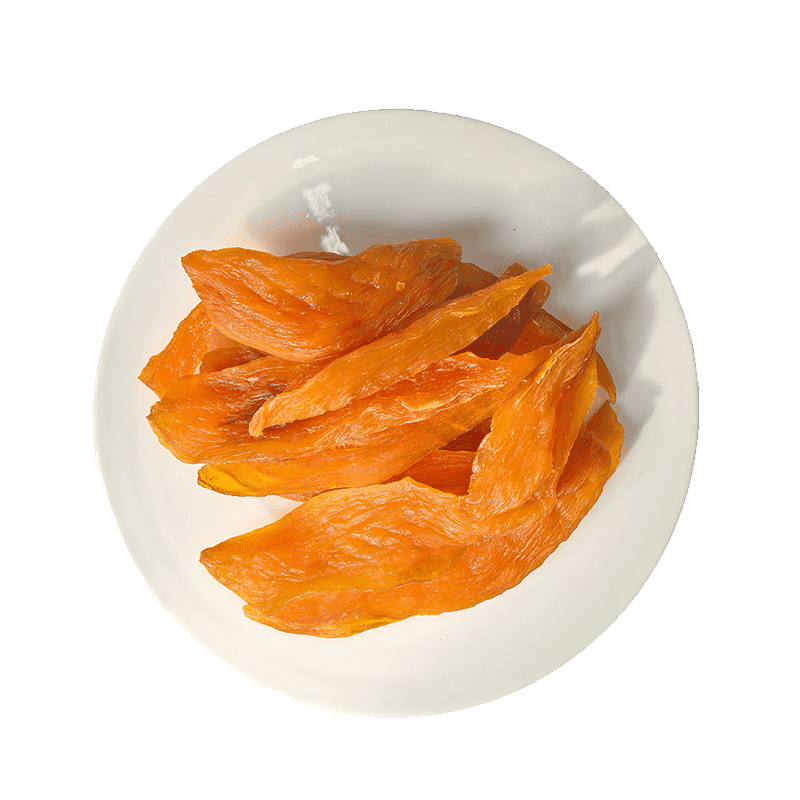
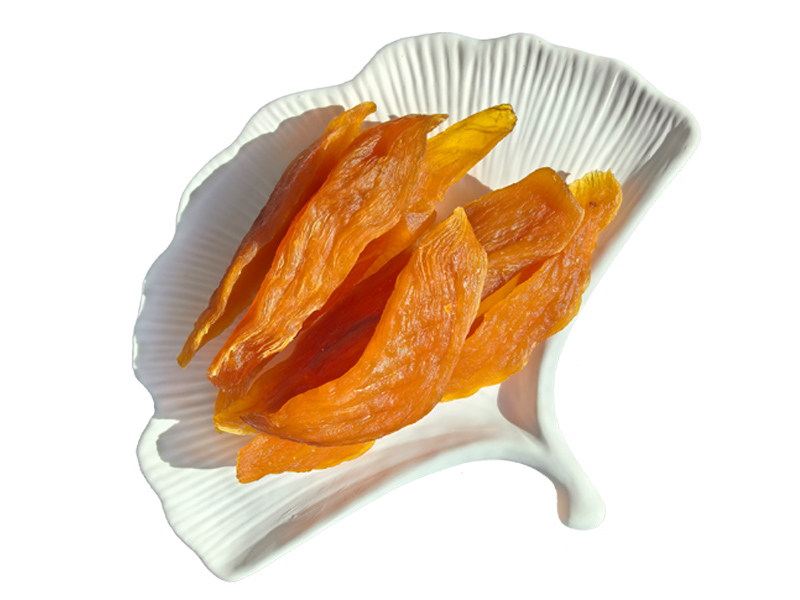
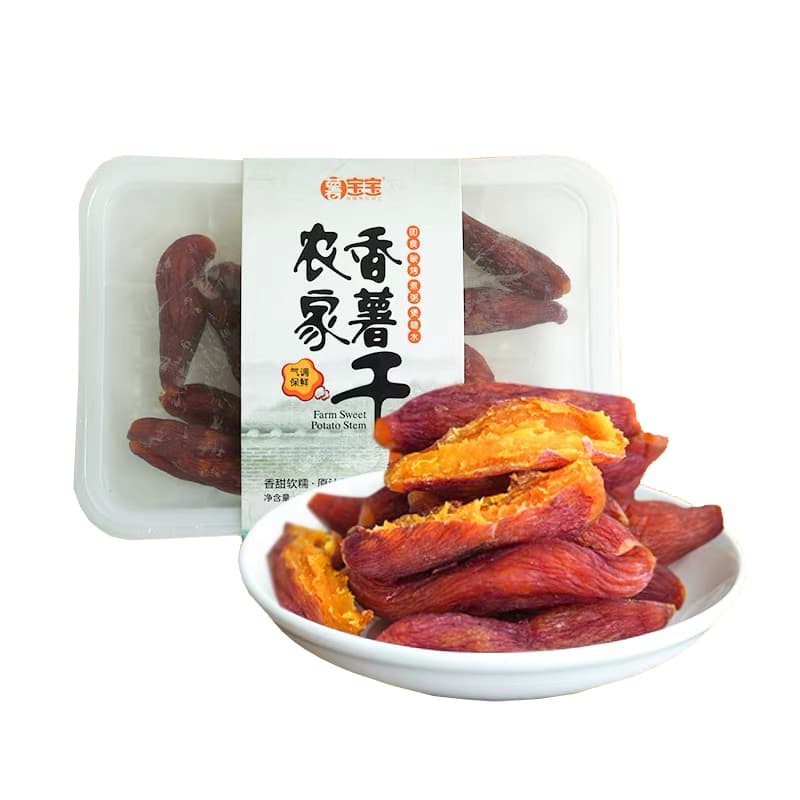
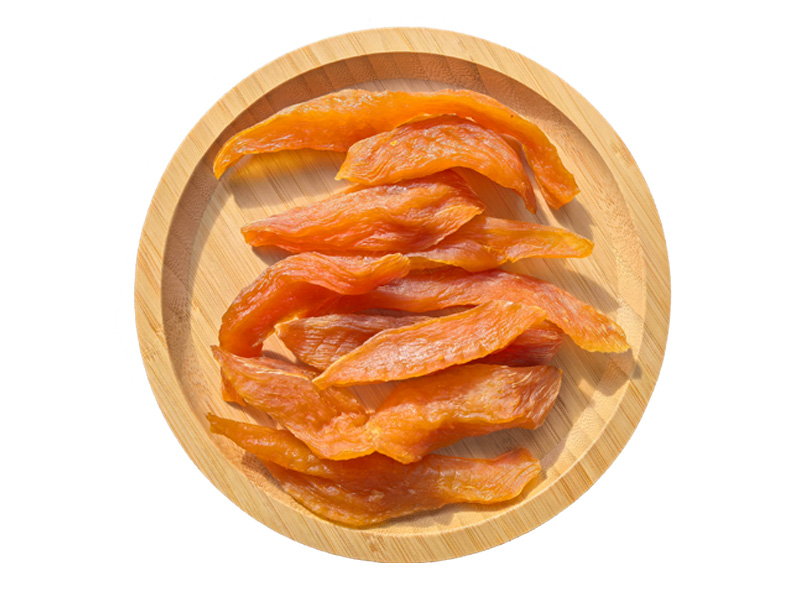
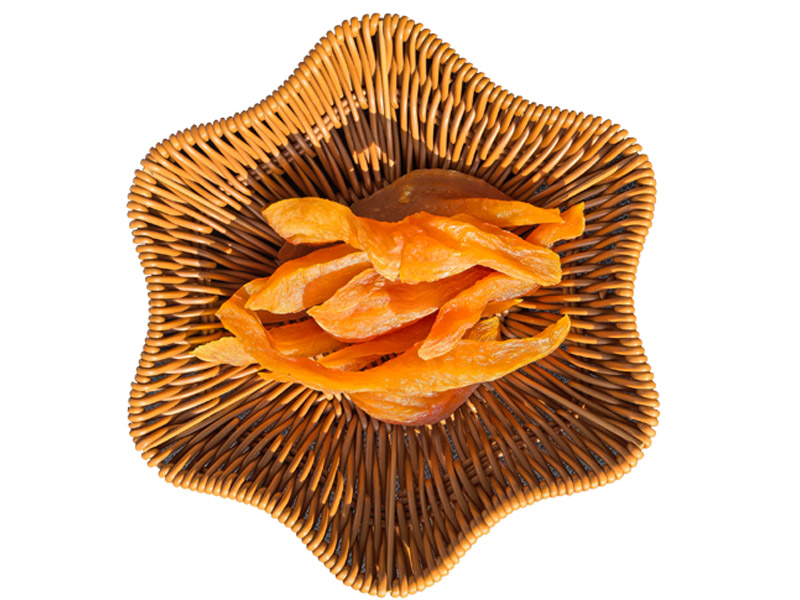
Liancheng sweet potato strips are a traditional Hakka snack from Fujian. Renowned for their excellent taste and unique flavor, they are considered the top of the "Eight Great Dried Foods of Western Fujian."
1. Historical Origins
Liancheng sweet potato strips have a long history. According to the *Fujian Gazetteer*, Liancheng is a major sweet potato producing area, and the traditional method of sun-drying sweet potato strips has a history of 300 years. Initially, they were used as dry rations by farmers in Wenchuan Township for working in the fields. To facilitate preservation and carrying, they baked and steamed sweet potatoes at home. Over time, people continuously improved the processing techniques, and the locally produced sweet potato strips gradually developed into bright red, fragrant, and easily stored and carried sheet-like strips.
With the improvement in quality, they not only became popular locally but also served as a royal tribute, gaining fame far and wide. According to the *Liancheng County Annals*, as early as the Qianlong era of the Qing Dynasty, local officials presented Liancheng red-fleshed sweet potato strips as tribute to the imperial palace. The imperial chefs crafted them into a prized delicacy for court banquets. Liancheng sweet potato chips, with their unique flavor, won over the palates of emperors like Kangxi and Qianlong, earning them the reputation of "Golden Sweet Potato Strips."
2.Tracing the Source of Superior Quality
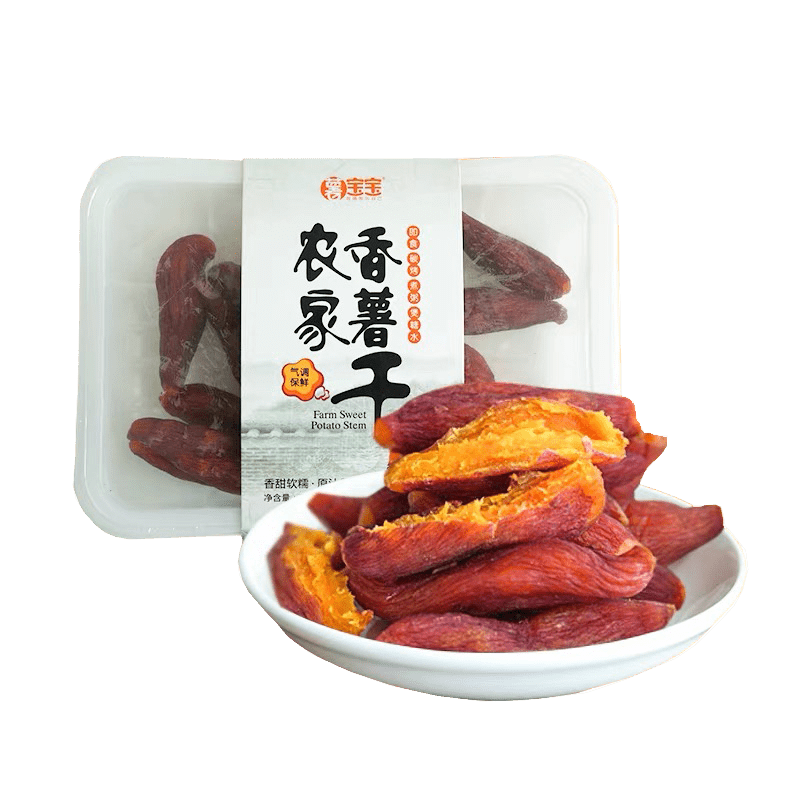
The superior quality and long-standing reputation of Liancheng sweet potato strips are inseparable from its unique geographical conditions. The warm and humid climate year-round, abundant water resources, and slightly acidic soil conditions are all ideal for sweet potato cultivation and growth. This results in sweet potatoes that are not only plump and yellowish-red in color, but also sweet, fragrant, and have a smooth texture, making them more nutritious. Sweet potato strips made from these potatoes are reddish in color, sweet in aroma, and soft yet chewy in texture.
Besides the high-quality raw materials, the meticulous production process is another major reason why Liancheng sweet potato strips differ from other sweet potato strips. In the production process of Liancheng sweet potato strips, only the core of the sweet potato is retained, accounting for only about 40% of the whole sweet potato. It is said that 7 jin (approximately 3.5 catties) of fresh sweet potatoes can only produce 1 jin (approximately 0.5 kg) of dried sweet potatoes. It is precisely because of this adherence to this principle that every piece of Liancheng sweet potato chip is impeccable in taste and texture, and its reputation has remained undiminished even after more than 300 years.
3.Ancient Craftsmanship
Today, the Liancheng sweet potato strips making technique still follows the ancient method of "steaming sweet potatoes upside down." In 2009, the Liancheng sweet potato strips making technique was listed in the third batch of provincial intangible cultural heritage by the Fujian Provincial People's Government.
The production of Liancheng sweet potato strips requires "one steaming to cook, a second steaming to sweeten, and a third steaming to soften." First, the sweet potatoes are steamed with the skin on until fully cooked, then sliced and dried. They are then steamed again and repeatedly dried until the sugar is extracted. Finally, during the third steaming and drying, the sweet potato chips must maintain their soft texture. Liancheng sweet potato strips, produced using this "three-steaming, three-drying" method, retain a certain amount of moisture, resulting in a soft, elastic texture and a unique flavor. Each bite is soft and chewy, with the sweetness increasing with each chew, leaving a lingering fragrance in the mouth.
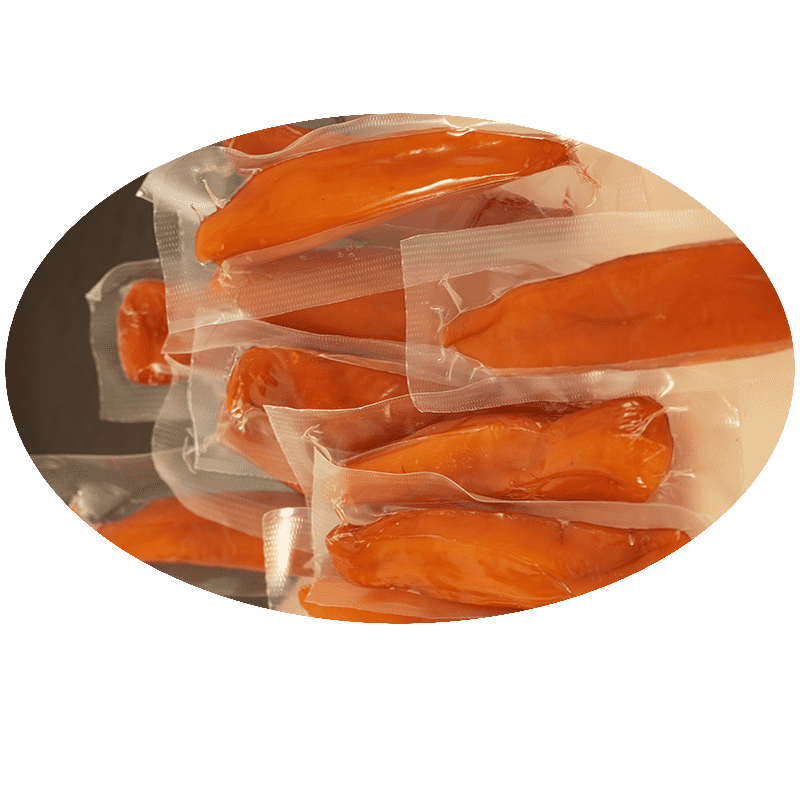
Nowadays, while maintaining the traditional production methods, most Liancheng sweet potato strips are vacuum-packed, extending their shelf life and making them more convenient to carry and transport.

Call Us : +86 0597 5222333
Email Us : vitas@goodharvestpotato.com,anny@goodharvestpotato.com
Address : No. 2, Food Processing Park Road, Linfang Town, Liancheng County, Longyan City, Fujian Province


leave a message
Scan to Wechat/Whatsapp :



 Product categories